Water and wastewater operators increasingly rely on multiple digital systems. The next step is not simply adding more tools, but connecting operational data, assets, events and workflows into one coherent view.
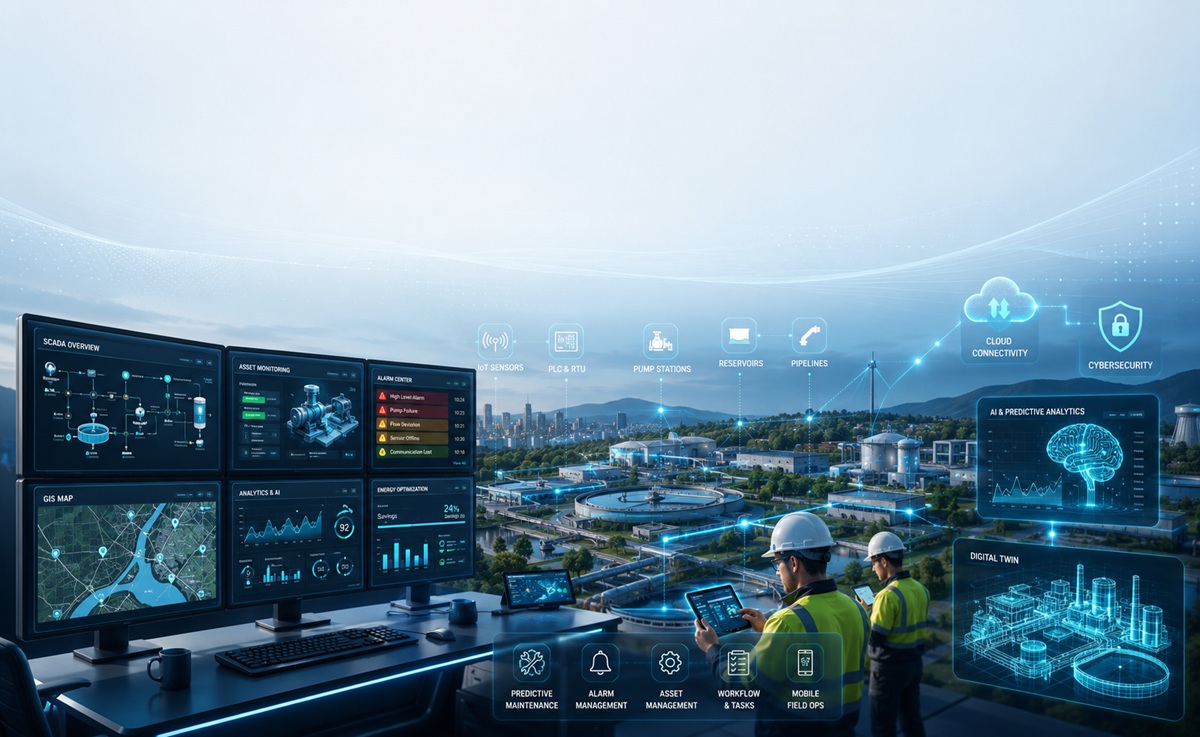
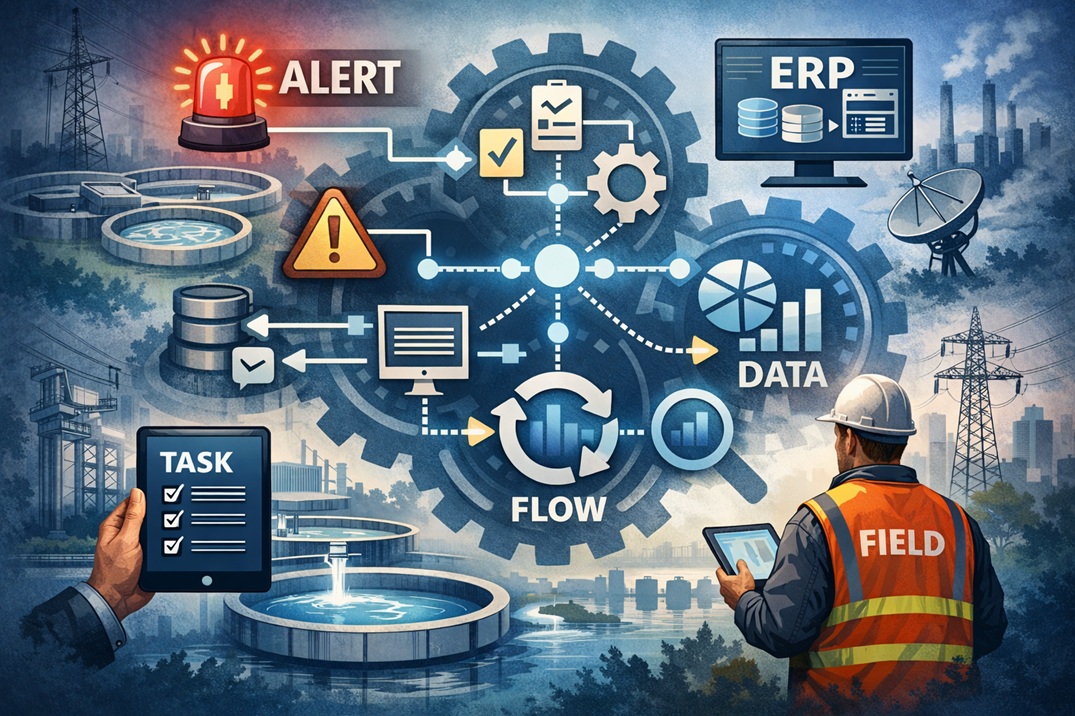
Water and wastewater infrastructure is becoming increasingly digital. SCADA systems monitor processes in real time, GIS platforms provide spatial information, maintenance systems manage assets and service activities, while reporting and analytics tools turn operational data into insights.
Yet digitalization does not automatically mean integration.
In many operational environments, these systems still exist alongside one another. SCADA provides the current process state. GIS shows where assets are located. Maintenance information may be stored in a separate system. Reports are often prepared in spreadsheets. Field teams may rely on mobile applications, emails or manual processes to coordinate their work.
Each system provides valuable information — but often only a part of the operational picture.
The challenge is therefore no longer simply to collect more data. It is to connect the relevant information and make it usable in the context of daily operations.
From isolated systems to an operational view
A more integrated approach starts with the question: What does an operator actually need to understand and act on at a given moment?
This could mean combining real-time process values with asset information, geographical context, historical events, maintenance status and operational tasks. Instead of switching between several systems to understand what is happening, the relevant information can be brought together around the operational situation itself.
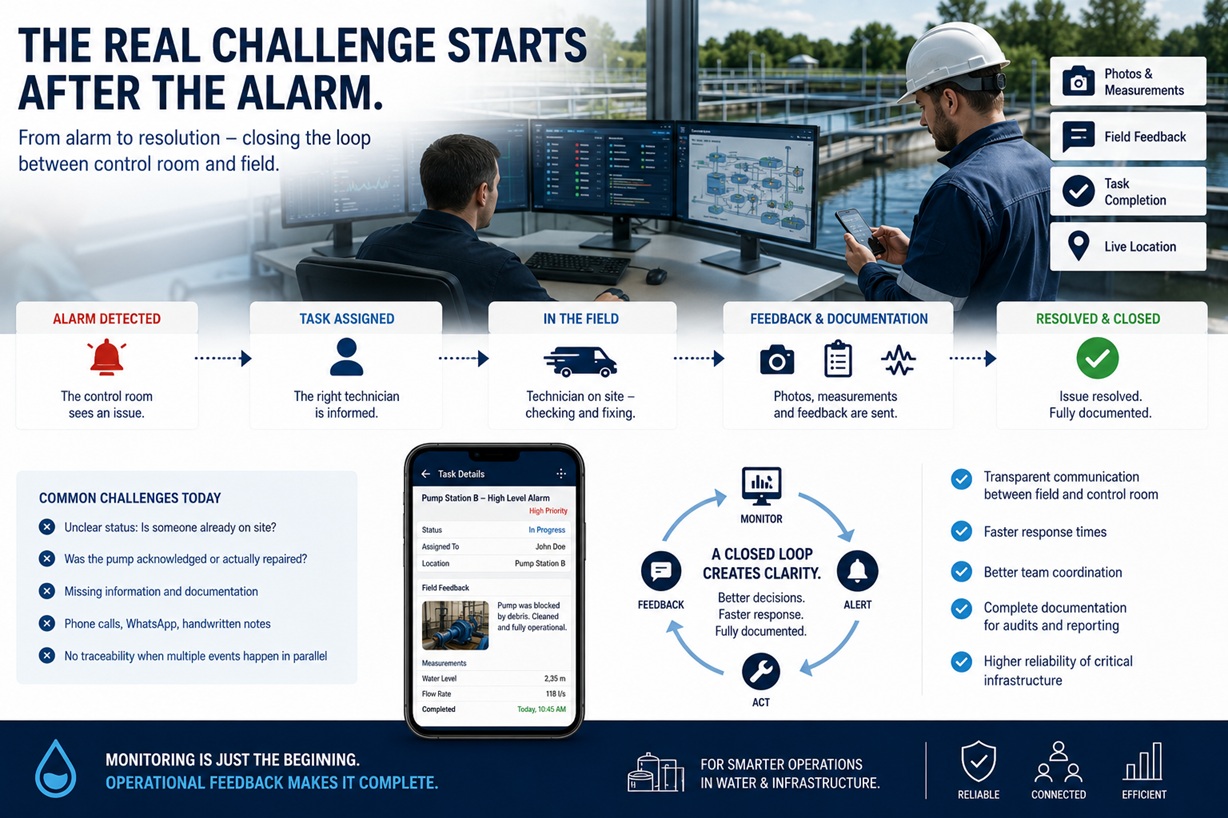
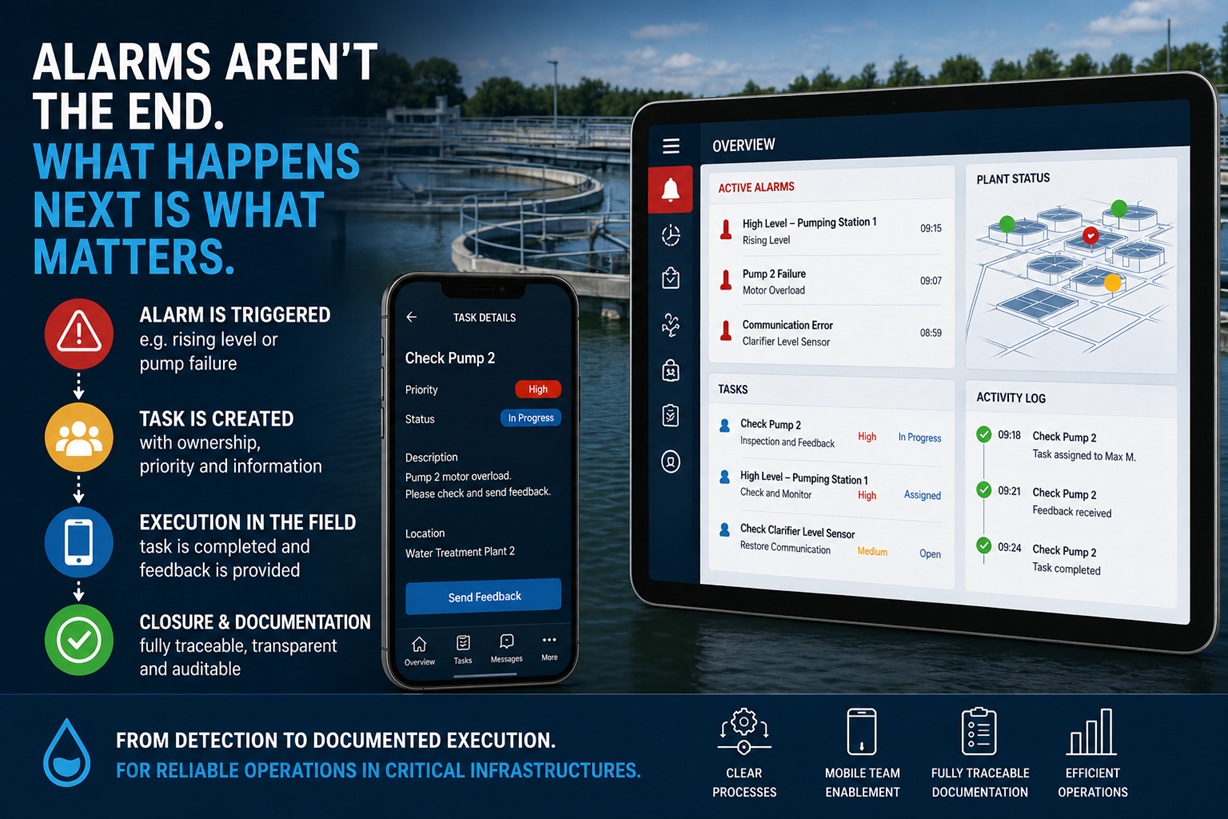
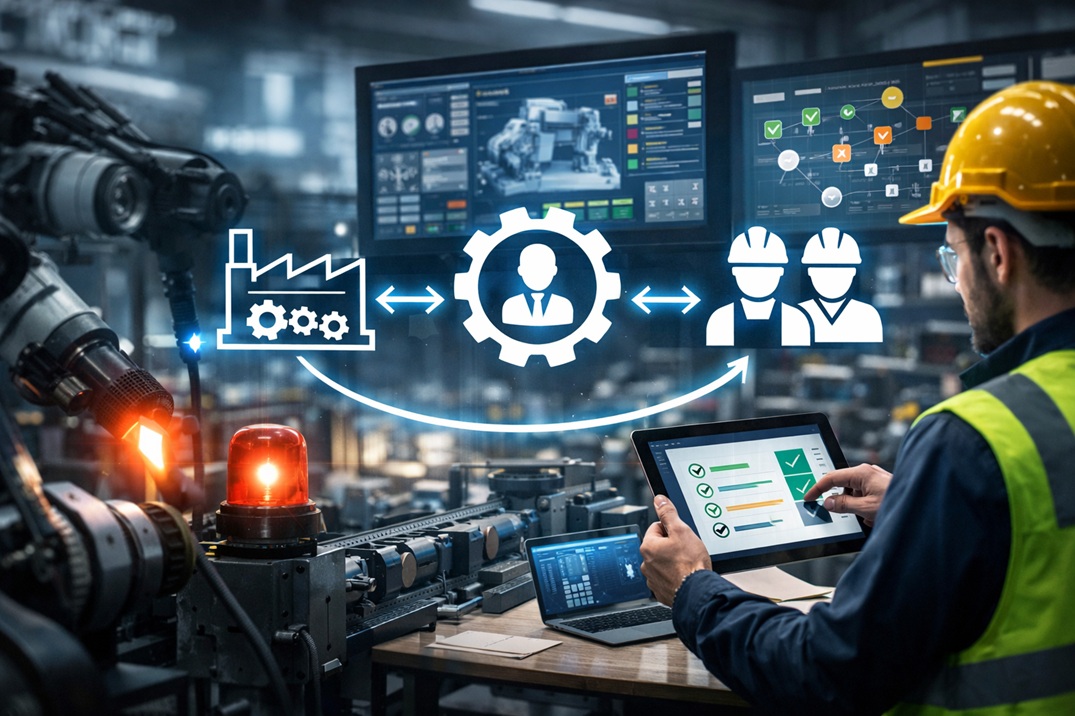
For example, an abnormal pump condition could be viewed together with its location, recent operating history, related alarms, maintenance information and the responsible field team. A rising water level could be linked directly to an operational workflow, including notification, task assignment and field feedback.
This creates a shift from system-centric information to situation-centric operations.
Connecting the operational building blocks
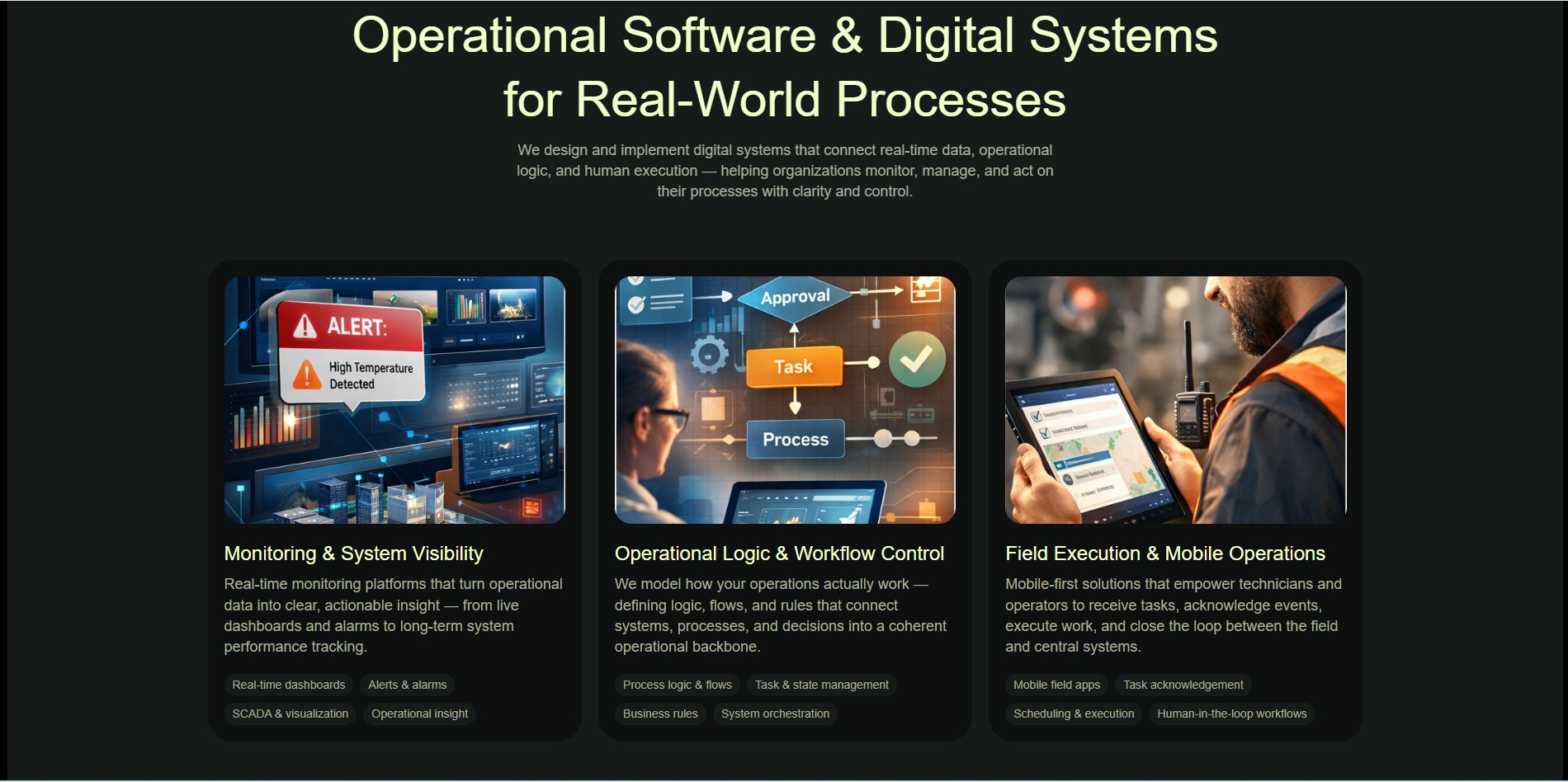
For water and wastewater infrastructure, an integrated operational environment can bring together several important capabilities:
The objective is not necessarily to replace every existing system. In many brownfield environments, the more realistic approach is to connect existing technologies through appropriate interfaces, APIs and middleware, creating a common operational layer across different vendors and systems.
From monitoring to operational decision-making
One of the most important developments is the transition from monitoring to operational support.
A monitoring system can tell an operator that a value has exceeded a threshold. An integrated operational platform can provide additional context: what asset is affected, what has happened previously, what operational consequences are possible, who is responsible, and what action should follow.
This is particularly relevant for distributed infrastructure, where operators may be responsible for many geographically separated facilities and where field teams cannot continuously be present at every site.
The same principle applies to predictive maintenance. Detecting an abnormal pattern is valuable, but its operational value increases significantly when the insight can be connected to an asset, a responsible person and a defined maintenance workflow.
A gradual path for existing infrastructure
For many utilities and infrastructure operators, a complete replacement of existing systems is neither realistic nor desirable. SCADA, GIS, maintenance and other specialist systems often represent years of investment and contain valuable operational knowledge.
Integration therefore becomes a key part of the digitalization strategy.
Modern interfaces, APIs, data models and middleware can provide a way to connect heterogeneous systems while allowing existing technologies to remain in place. This creates the possibility of developing a common operational layer incrementally rather than attempting a disruptive transformation all at once.
The long-term vision is a connected operational environment in which information flows between monitoring, analysis, decision-making and execution.
The next step in water-sector digitalization
The future of digital water infrastructure will not necessarily be defined by how many individual digital tools an operator uses. It will increasingly depend on how effectively those tools work together.
When operational data, asset information, spatial context, analytics and field execution become connected, digital systems can move beyond isolated information silos and become active components of operational management.
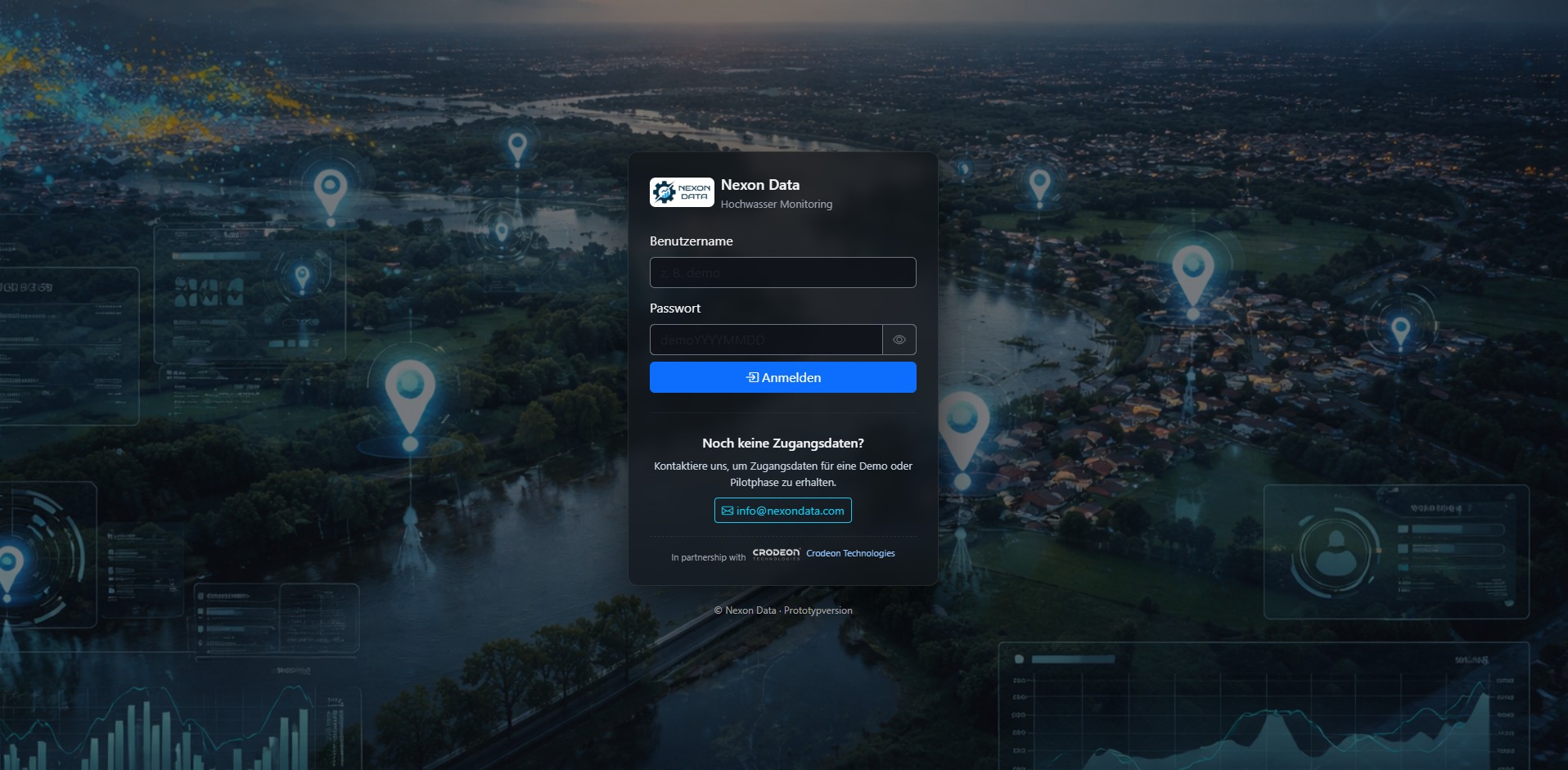
At Nexon Data, we are exploring this approach with a particular focus on water, wastewater and critical infrastructure: connecting monitoring, data integration, operational intelligence and field processes into a coherent digital operating environment.
The fundamental question is therefore not simply “Which system should we add next?” but rather:
“How can the systems we already have work together to provide a better operational picture and support better decisions?”
If these topics resonate with your challenges, we’re happy to discuss your operational context and explore whether Nexon Data is the right fit.