Many systems stop at visualization. We explain what separates real operational monitoring from passive dashboards — and why it matters in critical environments.

In recent years, dashboards have become a standard feature in almost every software system. Charts, status indicators, and real-time graphs promise transparency and control. But visualization alone does not equal operational monitoring.
Many solutions stop at presenting data. They display values, trends, and alerts — but leave interpretation and action entirely to the user. In non-critical contexts this may be sufficient. In operational or safety-relevant environments, however, this gap becomes significant.
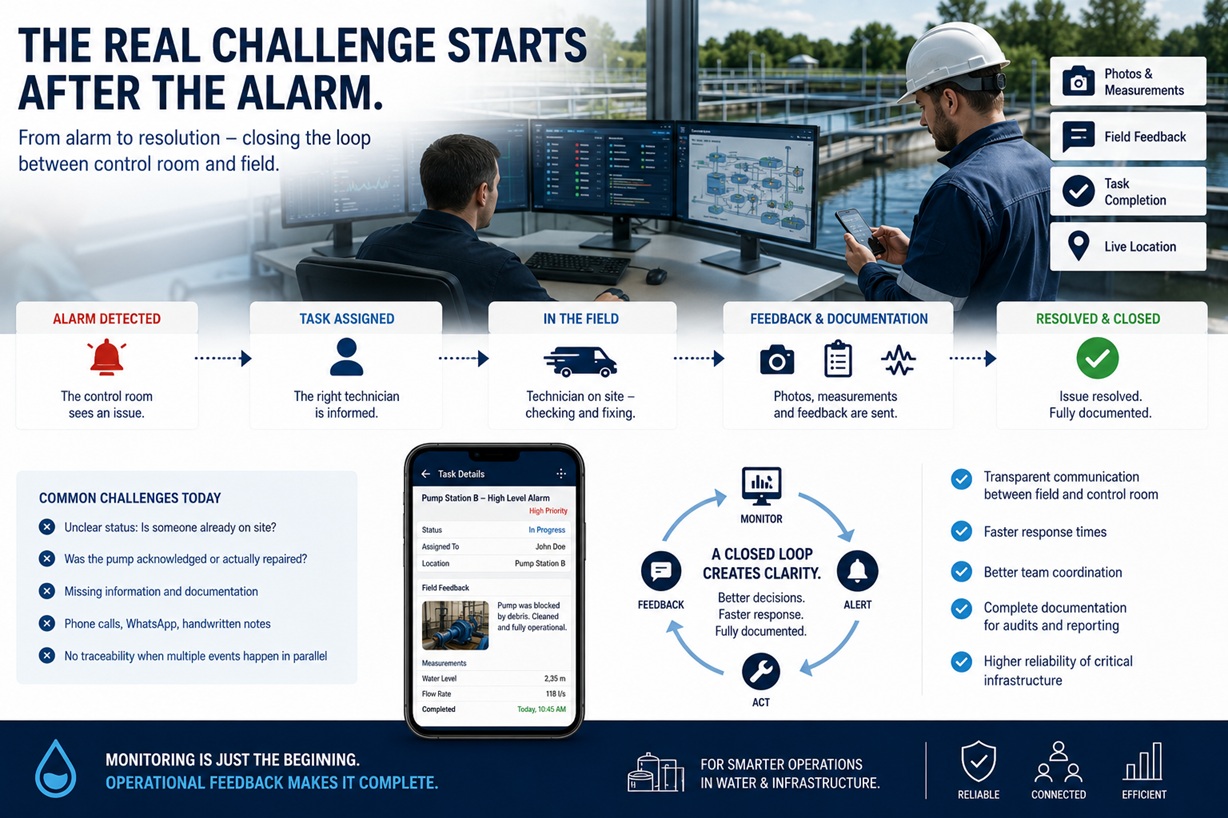
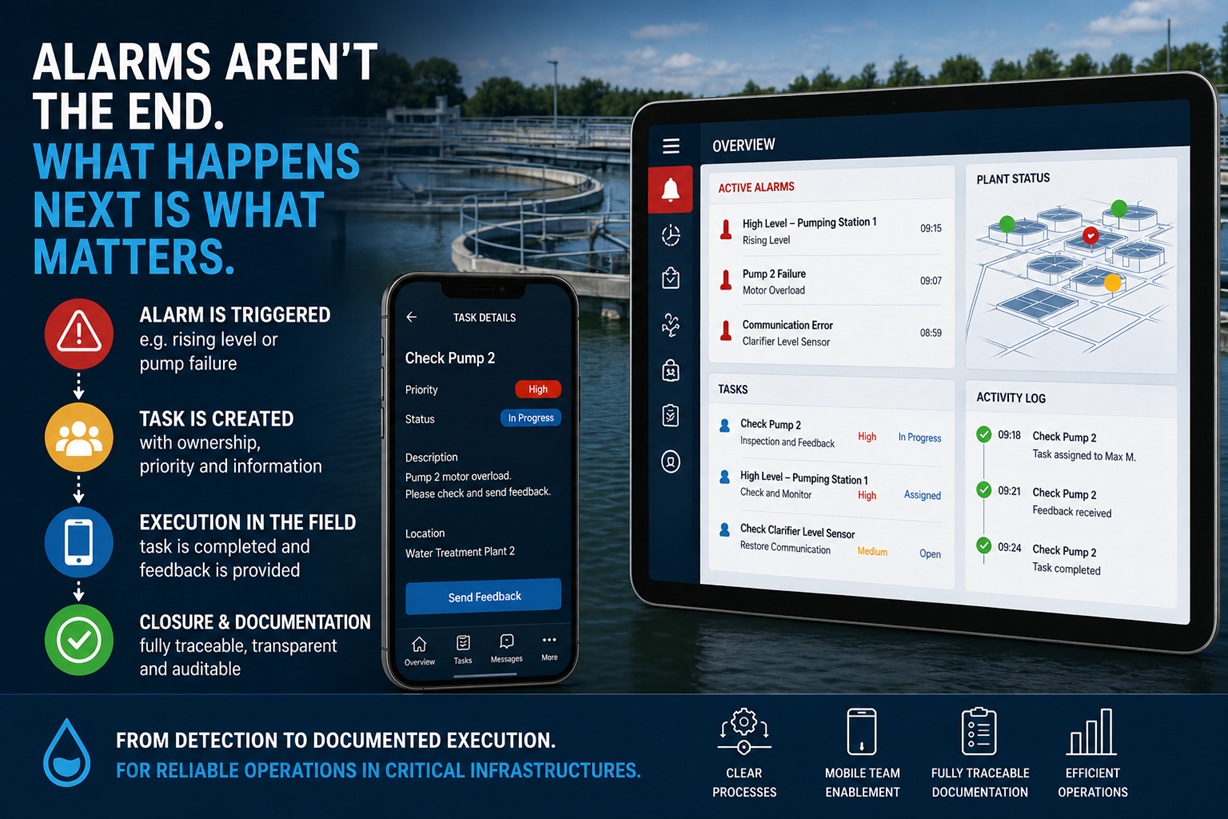
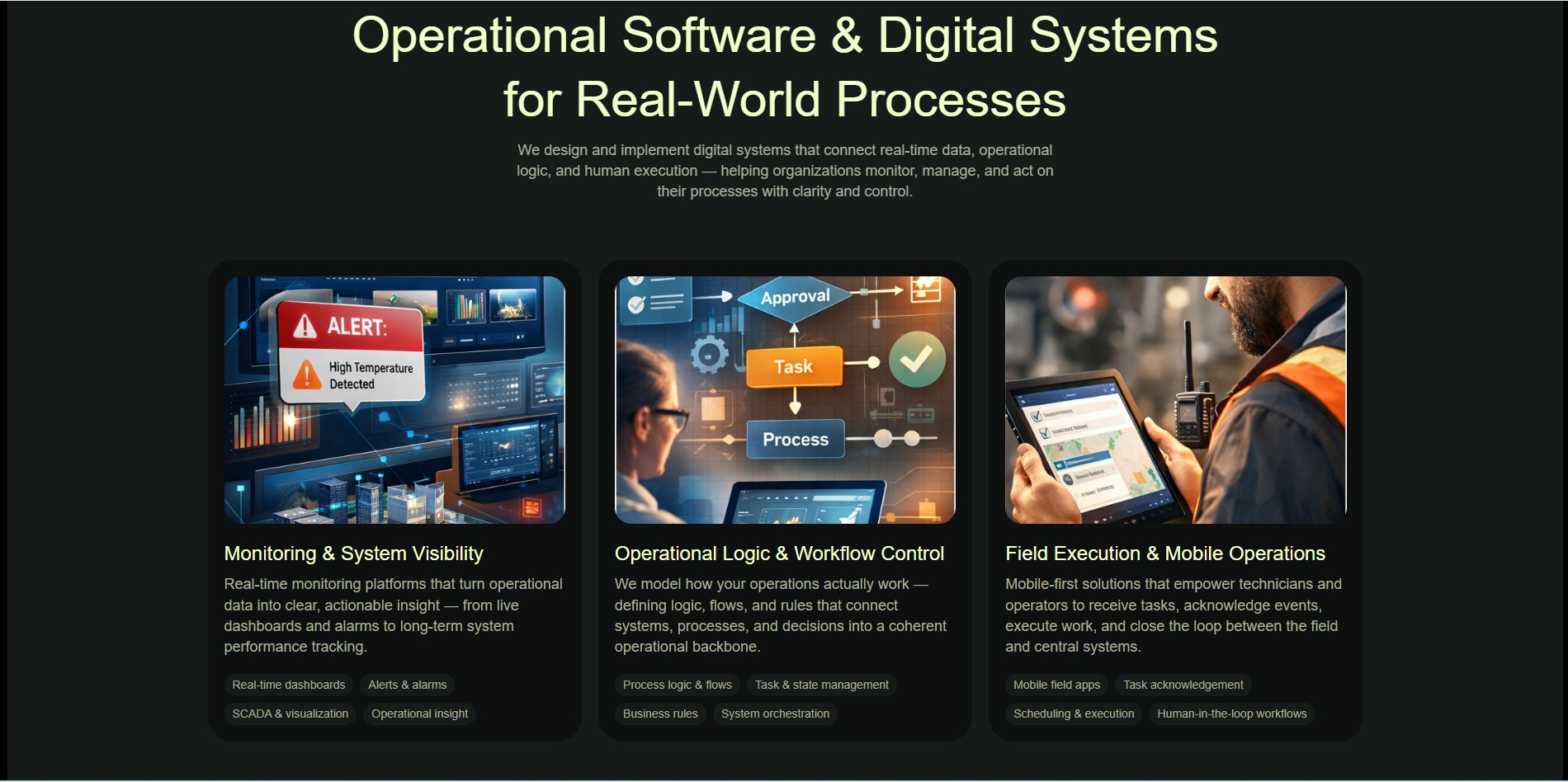
Operational monitoring goes beyond passive data presentation. It connects data acquisition, contextual evaluation, defined thresholds, and clear response logic. It is not only about seeing what is happening, but about understanding what it means within a specific operational framework.
This distinction becomes particularly important in infrastructures where timing, reliability, and clarity directly influence decisions. Systems must filter noise, prioritize relevant signals, and support structured workflows instead of merely visualizing raw information.
True monitoring systems are therefore designed around operational processes. They reflect responsibilities, escalation paths, and decision hierarchies. Alerts are contextualized. Data is interpreted against predefined operational models. Interfaces are built to reduce ambiguity rather than increase cognitive load.
When monitoring is treated as an operational tool instead of a visual add-on, it changes how organizations react. It reduces uncertainty, shortens response times, and creates a shared situational picture across departments.
Dashboards visualize. Operational monitoring enables action. The difference may appear subtle in design — but it becomes decisive in practice.









If these topics resonate with your challenges, we’re happy to discuss your operational context and explore whether Nexon Data is the right fit.